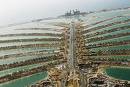
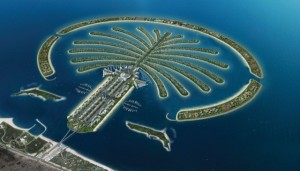
The Palm Jumeirah is among the most recognisable pieces of engineering in the Gulf. Launched in 2001 by the developer Nakheel, it is a palm-shaped island created by land reclamation off Dubai’s coast, and it has often been nicknamed the eighth wonder of the world.
Quick facts
- It is described as the largest man-made island in the world, covering roughly 560 hectares.
- Building it took around 94 million cubic metres of sand and about 7 million tonnes of rock.
- The surface area is large enough to fit more than 800 football pitches.
- It features the first curved breakwater of its kind, and the project was the first to create such a complex shape through reclamation.
- The volume of material used would be enough to build a wall two metres high and half a metre wide around the Earth three times.
- A six-lane sub-sea tunnel, about 1.4 km long, 40 m wide and 25 m below sea level, links the central spine to the crescent.
- According to the archive, all 4,000 or so first-phase properties were sold within 72 hours of release.
Why it mattered
Before the Palm, nothing with this ambition had been tried in property development. The project increased Dubai’s shoreline dramatically, and it showed that large-scale reclamation could produce a destination with luxury hotels, restaurants, leisure venues and freehold homes. The author of the original blog considered it the project that set the tone for the city’s boom.
Home types on the island
Buyers have been able to choose between freehold apartments and villas. The Signature Villas and Garden Homes sit directly on the water’s edge and come with a private stretch of beach, and they come in many styles. The archive described them as the most sought-after category on the island, either as a family home or as an investment.
Why people noticed
The combination of scale, novelty and a recognisable shape made the island a global talking point. Photographs of it from the air circulated worldwide, and it became shorthand for how quickly Dubai was changing.
A note for readers
The text was written in 2011 and reflects that moment’s enthusiasm. It does not quote prices, and nothing here is an offer to sell. For current information, speak to a licensed broker and check the official land registry.
See also the Burj Khalifa fact sheet and the wider project information overview.